
redefining ambition
As our Workmonitor report enters its third decade, a new set of talent values emerges.
A stands for ambition: Talent is re-evaluating its understanding of ambition, placing work-life balance, flexibility, equity and skill development at the heart of career decisions. B stands for balance: Talent is prioritising personal lives over careers.
C stands for connection: Employers need to reconnect with employees to understand their needs and desires.
explore this year's themes.
-
themes. ambition and motivation.
Ambition is more than climbing the career ladder, and motivation is not necessarily determined by promotions.
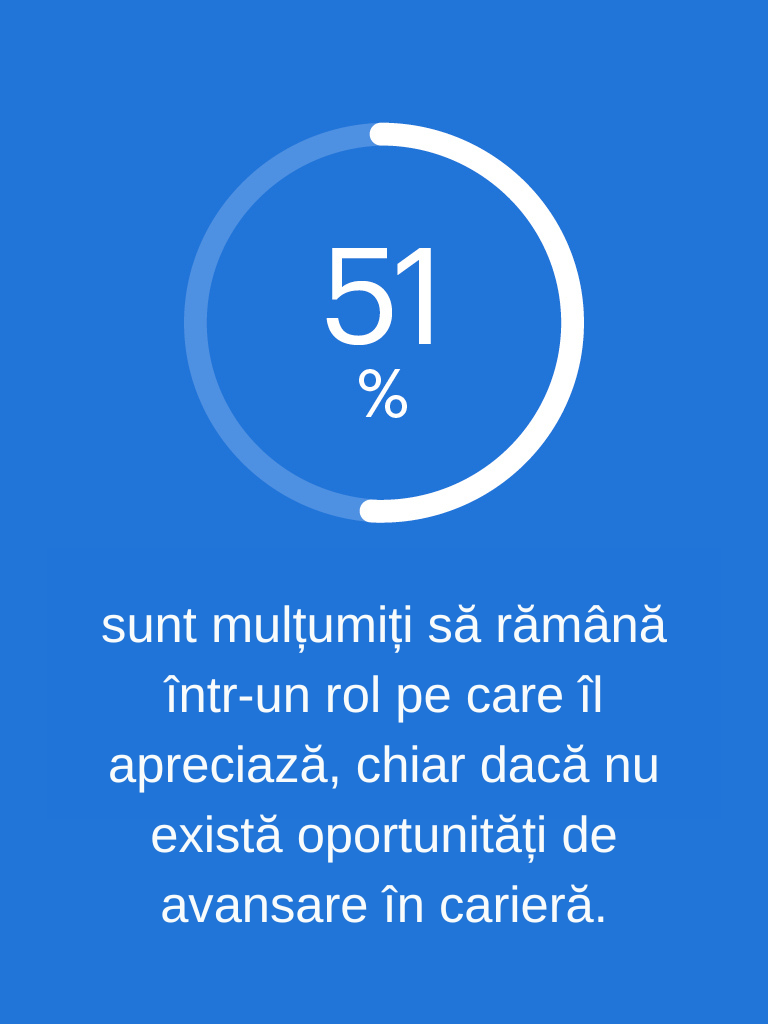
Ambition is about more than just climbing the career ladder, and talent motivation is not necessarily driven by promotions. For almost two-thirds of respondents (60%), personal life is more important than professional life. Work-life balance is now rated as highly as salary on employees’ priority lists (93%) – more than any other consideration. When looking at the next step in their career, work-life balance is even more important (57%) than a higher salary (55%). Over a third do not want career progression because they are satisfied in their current role (39%), and the long-term ambition for most respondents is a stable role in the company. However, this does not stop them from wanting to secure their future and improve their skills through training (72%), especially in areas such as artificial intelligence (AI) and IT, which are redefining job roles. Employer strategies will need to recognize these changing priorities and offer more creative paths to progression that align with the different ambitions of their talent.
-
flexibility
Talent still demands and seeks flexibility to accommodate all of their priorities.
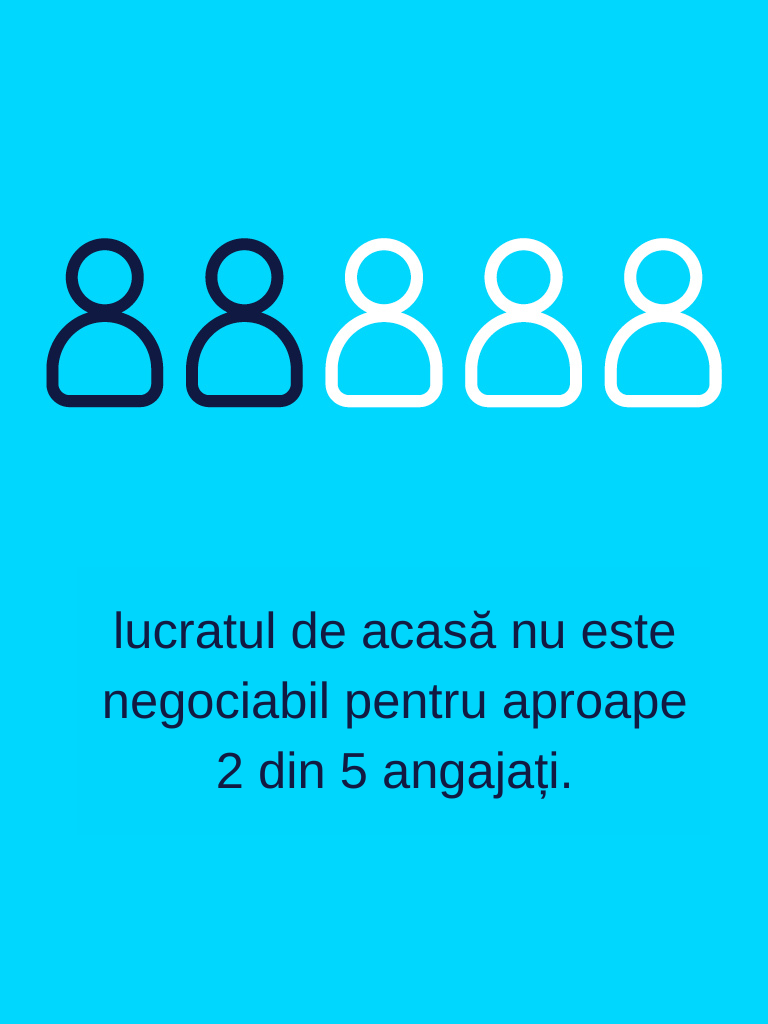
The importance of work-life balance is also reflected in the focus on flexible working, even as employers increasingly support a return to the office. Many employees adapted to the work-from-home lifestyle during the pandemic years – moving out of town or adopting a pet – as they expected remote work to be here to stay. Working from home is imperative for nearly 2 in 5 respondents. A similar percentage (37%) would consider quitting if they were forced to spend more time in the office. However, there is a subtlety when it comes to their next career move: the desire for flexible working hours slightly outweighs the need to work from home (41% vs. 37%).
-
fairness and understanding.
Talent seeks partnerships with people who share the same values, where they can fully express their personality and collaborate with employers to improve workplace equity.
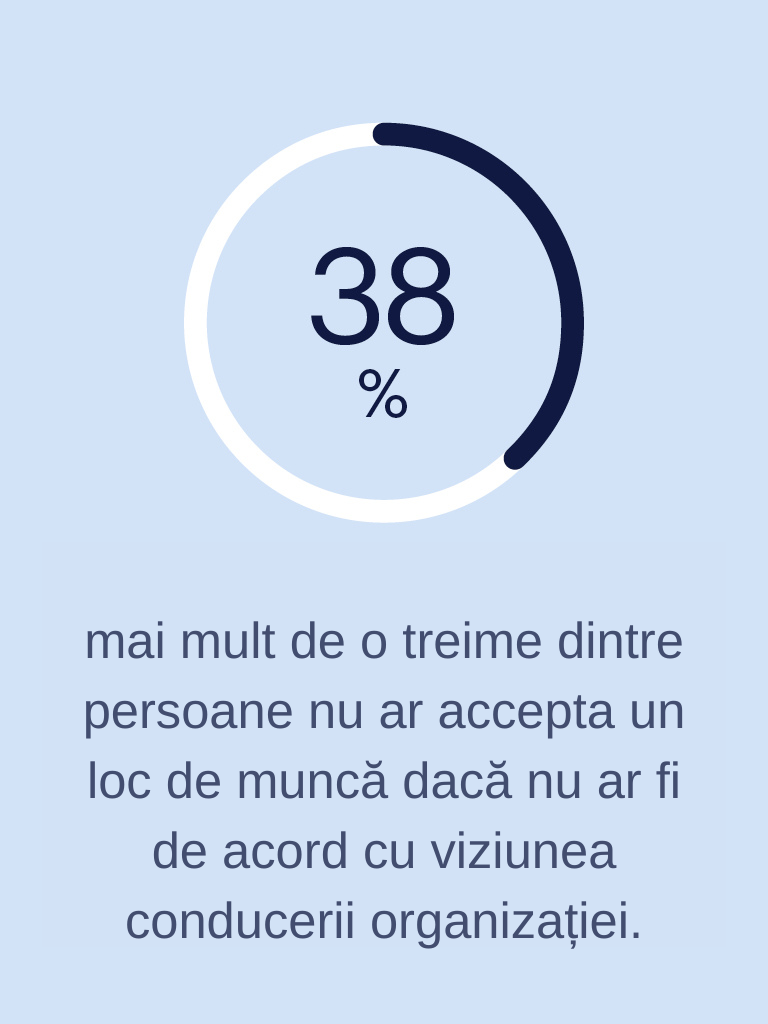
Talent wants to build connections with employers so they can fully express their personality and collaborate with organizations to improve workplace equity. Over a third say they would not accept a job if they did not agree with the vision of the organization’s leadership (38%), and 54% of respondents consider their employer’s position and actions on social and political issues important. Meanwhile, nearly two-fifths (38%) seek alignment on social and environmental issues with a prospective employer.
-
Artificial Intelligence (AI) and skills development
Professionals continue to prioritize future-proofing their skills, especially in the context of the increasing adoption of artificial intelligence.
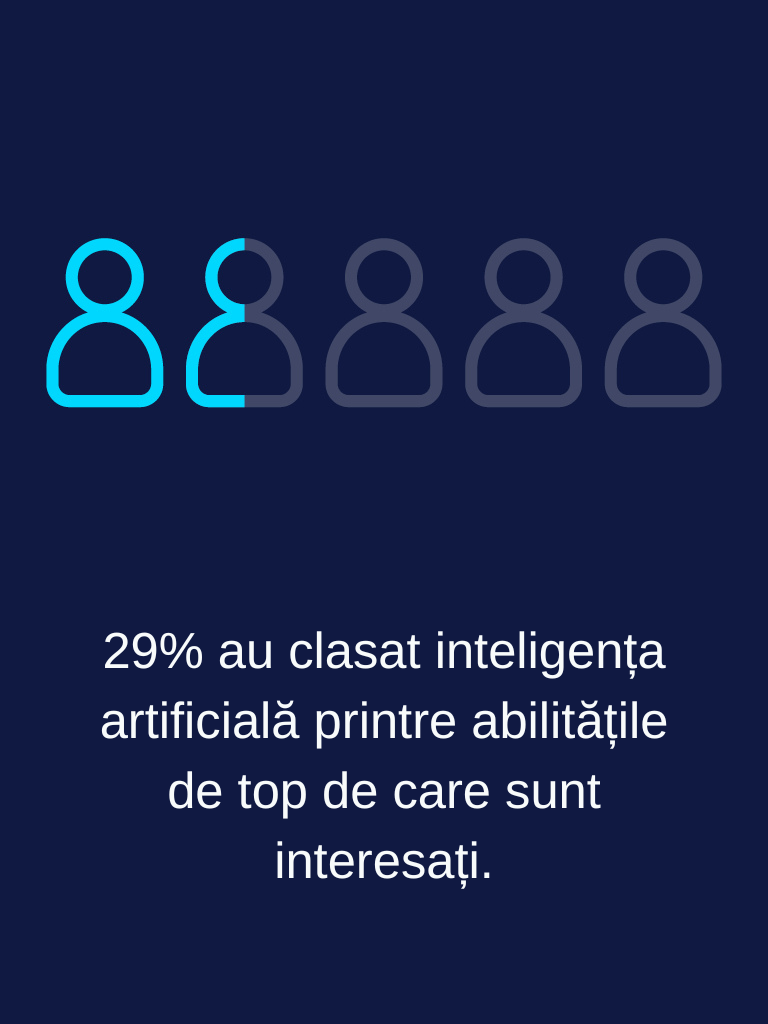
Professionals continue to prioritize future-proofing their skills, especially in the context of the growing adoption of artificial intelligence. Despite a more complex attitude towards career progression and ambition, there is a continued thirst for training and development both in current roles and for future career moves (72%). Almost a third (29%) would even go so far as to quit a job that did not offer them adequate learning and development (L&D) opportunities.
Respondents see responsibility for training and development on both sides, again touching on the theme of connection that runs throughout the survey.